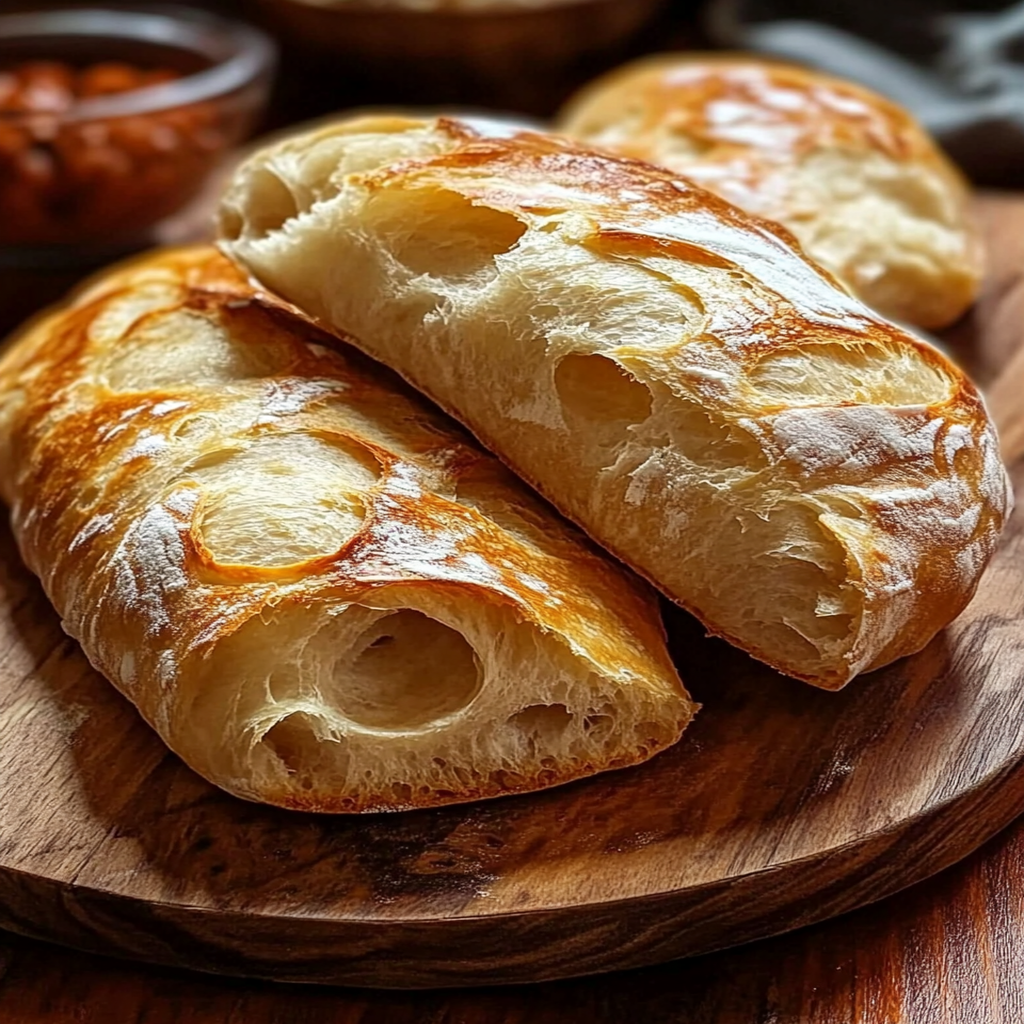
There’s something magical about the aroma of freshly baked ciabatta bread wafting through your kitchen. Imagine that golden, crusty exterior giving way to a soft, airy interior that practically begs for a smear of butter or a dip in olive oil. You can practically hear it whispering, “Eat me!” as you stand there contemplating all the delicious possibilities. A fresh loaf of ciabatta is not just any bread; it’s the culinary equivalent of a warm hug on a chilly day.
This ciabatta bread recipe isn’t just about satisfying cravings; it’s about creating cherished memories. Picture this: you’re hosting friends for dinner, and as they walk in, they’re greeted by the heavenly scent of baking bread. garlic butter bread rolls Suddenly, everyone’s gathered in the kitchen, tearing off pieces while debating whether it pairs better with cheese or jam. Trust me; this bread will turn any meal into an unforgettable experience filled with laughter and love.
Why You'll Love This Recipe
- This ciabatta bread recipe is incredibly easy to make, perfect for beginners and seasoned bakers alike.
- With its delightful flavor and chewy texture, it pairs beautifully with soups, stews, or simply on its own.
- The rustic look of homemade ciabatta makes it a stunning centerpiece for any dining table.
- Plus, it’s versatile enough to be transformed into sandwiches or bruschetta!
Ingredients for ciabatta bread recipe
Here’s what you’ll need to make this delicious dish:
- All-Purpose Flour: Use high-quality flour for the best structure and texture; 00 flour works wonders if you can find it.
- Water: Make sure it’s warm (about 110°F) to help activate the yeast effectively.
- Active Dry Yeast: Fresh yeast will give your ciabatta that perfect rise; check expiration dates before using.
- Salt: Essential for flavor—don’t skip it! Use sea salt or kosher salt for a more robust taste.
- Olive Oil: A splash will enhance flavor and contribute to that crispy crust we all crave.
The full ingredients list, including measurements, is provided in the recipe card directly below.
How to Make ciabatta bread recipe
Follow these simple steps to prepare this delicious dish:
Step 1: Activate Your Yeast
In a small bowl, combine warm water and active dry yeast. Allow it to sit for about 5-10 minutes until frothy—this means your yeast is ready to party!
Step 2: Mix Ingredients
In a large mixing bowl, combine all-purpose flour and salt. Create a well in the center and pour in the activated yeast mixture along with olive oil. Stir until combined; don’t worry about lumps at this stage!
Step 3: Knead the Dough
Transfer your dough onto a floured surface. Knead gently for about 5-8 minutes until smooth and elastic. If you feel like you’re wrestling with dough instead of kneading it, congratulations! You’re doing it right.
Step 4: First Rise
Place the dough in an oiled bowl and cover with plastic wrap or a damp cloth. Let it rise in a warm spot until doubled in size—about an hour should do the trick.
Step 5: Shape Your Loaves
After rising, gently deflate your dough on a floured surface (no need to punch it like you’re Rocky). Divide into two portions and shape each into a rustic loaf by stretching rather than rolling.
Step 6: Second Rise
Place shaped loaves on parchment-lined baking sheets. Cover lightly with a cloth again and let them rise for another 30 minutes while you preheat your oven to 425°F (220°C).
Transfer to plates and slice into that golden goodness once baked until golden brown—about 25-30 minutes! Enjoy your homemade ciabatta with dips or use them as sandwich bases!
You Must Know
- This ciabatta bread recipe is not just about the crusty exterior; it’s a journey of flavors.
- With just a few simple ingredients, you can create an artisanal loaf that elevates any meal.
- Perfect for sandwiches or as a side, this bread makes every dinner feel special.
Perfecting the Cooking Process
To achieve the ideal ciabatta, start by mixing your ingredients until they form a shaggy dough. Allow it to rise, then shape and bake at a high temperature for that perfect crust. Finish with a steam bath for added texture.
Add Your Touch
Feel free to customize your ciabatta with herbs like rosemary or garlic for extra flavor. You can also experiment with whole wheat flour instead of all-purpose, or toss in sun-dried tomatoes for a gourmet twist.
Storing & Reheating
Store your ciabatta bread in a paper bag at room temperature for up to three days. For longer storage, wrap it tightly in plastic and freeze. Reheat in the oven for crispiness.
Chef's Helpful Tips
- Start with room temperature water for better yeast activation.
- Avoid over-kneading to keep the crumb airy and light.
- Always preheat your oven thoroughly to ensure an even bake.
I still remember the first time I made this ciabatta bread recipe; my friends devoured it before I could even snap a picture! Their raving reviews were enough to make me feel like a baking champion. For more inspiration, check out this air fryer peanut butter cookies recipe.
FAQs:
What is the best flour for a ciabatta bread recipe?
Using high-protein bread flour is key for a successful ciabatta bread recipe. This type of flour contains more gluten, which helps develop the dough’s structure, allowing it to rise properly. Some bakers prefer a combination of all-purpose flour and bread flour to achieve the right balance between chewiness and crustiness. Make sure to check the protein content on the packaging; ideally, it should be around 12-14%. For those seeking a unique flavor, consider experimenting with whole wheat flour or adding a small portion of semolina.
How long does it take to make ciabatta bread?
The total time required for making ciabatta bread includes both preparation and resting periods, typically spanning around 4 to 6 hours. The initial mixing of ingredients takes about 15 minutes. Afterward, allow the dough to rest and rise for approximately 2 hours. Shaping the dough into loaves takes another 30 minutes, followed by a final rise of about 1 hour before baking. While this may seem lengthy, most of this time involves passive waiting for the dough to ferment and develop flavor.
Can I make ciabatta bread in advance?
Yes, you can easily prepare ciabatta bread in advance. One great method is to make the dough and let it rise in the fridge overnight. This slow fermentation enhances flavor and texture significantly. When you’re ready to bake, simply shape the loaves and allow them to come back to room temperature before baking. slow cooker chicken tacos Alternatively, you can freeze baked ciabatta loaves once they cool completely. Just wrap them well to avoid freezer burn, and reheat them in the oven when you want to enjoy fresh bread.
How do I store homemade ciabatta bread?
To maintain freshness after making your ciabatta bread recipe, store it in a paper bag at room temperature for up to two days. Avoid plastic bags as they trap moisture and make the crust soggy. If you plan to keep it longer, slice the loaf and freeze individual pieces wrapped tightly in plastic wrap or foil. You can toast or reheat these slices directly from frozen for quick meals or snacks while preserving their original texture.
Conclusion for ciabatta bread recipe:
In summary, making ciabatta bread requires selecting high-protein flour and allowing ample time for fermentation and rising. The process may take several hours but results in deliciously crusty loaves with an airy crumb that elevates any meal. mac salad for summer picnics By storing your homemade bread correctly, you can enjoy it fresh or use it later without compromising quality. Follow this simple ciabatta bread recipe, and you’ll impress family and friends with your baking skills!

Ciabatta Bread
Ingredients
Method
- In a small bowl, combine warm water and yeast. Let sit for 5-10 minutes until frothy.
- In a large bowl, mix flour and salt. Create a well in the center; add yeast mixture and olive oil. Stir until combined.
- Knead the dough on a floured surface for about 5-8 minutes until smooth.
- Place in an oiled bowl, cover, and let rise in a warm spot until doubled in size (about 1 hour).
- Gently deflate the dough, divide it into two portions, and shape each into loaves.
- Place on parchment-lined baking sheets, cover lightly, and let rise for another 30 minutes while preheating oven to 425°F (220°C).
- Bake for 25-30 minutes until golden brown.